Forest and steppe fire season has begun
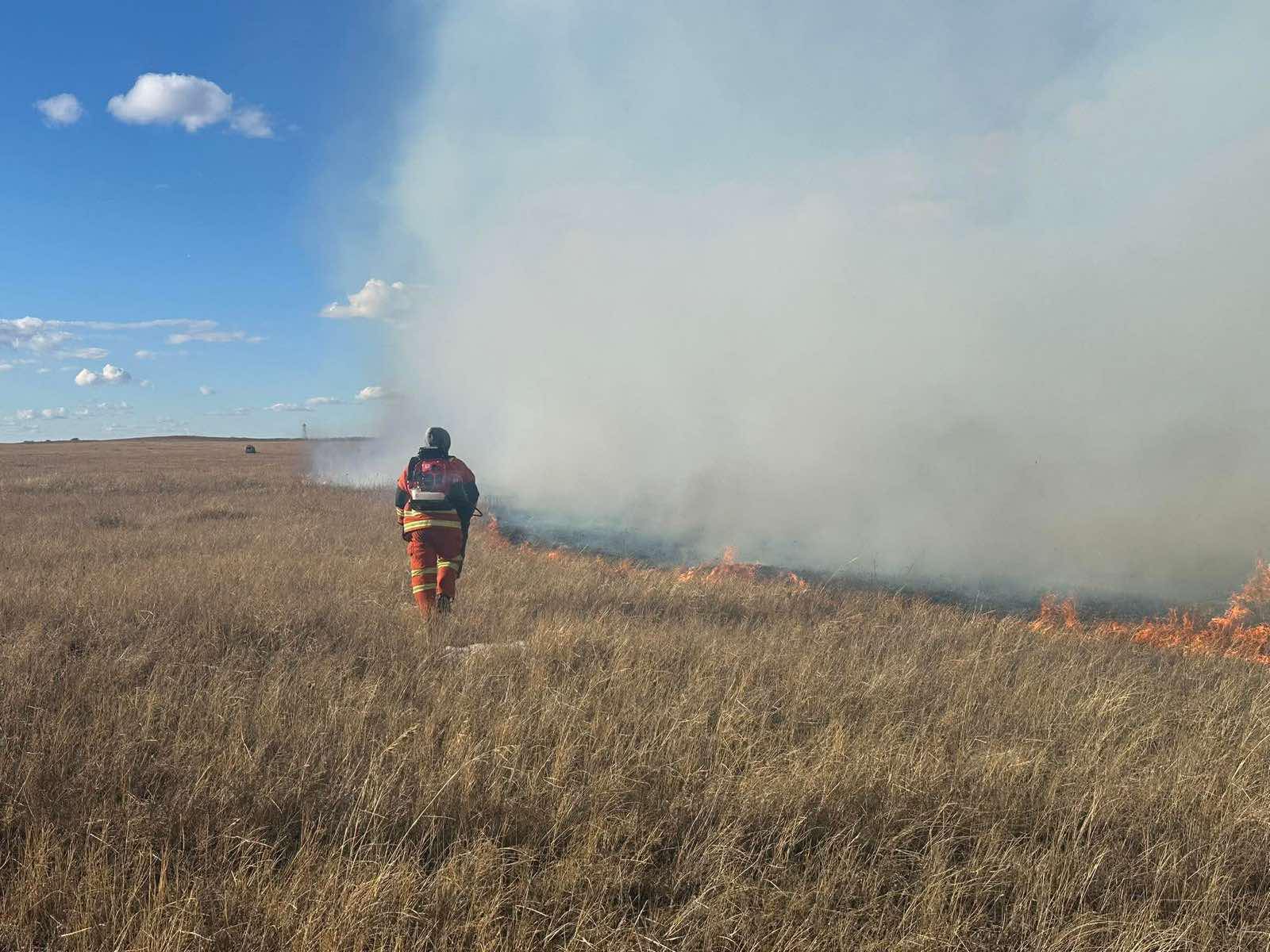
In 2025, a total of 273 forest and steppe fires were recorded across 84 soums in 15 provinces and 3 districts of the capital, which is twice as high as in 2024.
Preliminary estimates show that 77,250 hectares of forest and 870,453 hectares of steppe, totaling 947,703 hectares, were affected by fires. Compared to the same period last year, the total burned area decreased by 9.1%. However, forest and steppe fires caused approximately 370 billion MNT in damages.
Firefighting operations involved 13,256 personnel from military and law enforcement agencies, local professional units, and volunteer groups using 2,002 vehicles. In addition, helicopters of the Armed Forces and the National Emergency Management Agency conducted 55 flights.
According to weather forecasts, rapid temperature fluctuations, increased dryness, and strong winds are expected during the spring season, significantly increasing the risk of forest and steppe fires. Therefore, the participation of every citizen is crucial in preventing forest and steppe fires.
- Avoid open fires
- Fully extinguish cigarettes and matches
- Do not burn waste
Let’s protect our nature and prevent forest and steppe fires together!
Copy all texts of this article
Download all images of this article
Other news

2026/04/03
Recent NewsFeatured quote from the panel discussion "Climate and Water-Related Disaster Risk, and Anticipatory action
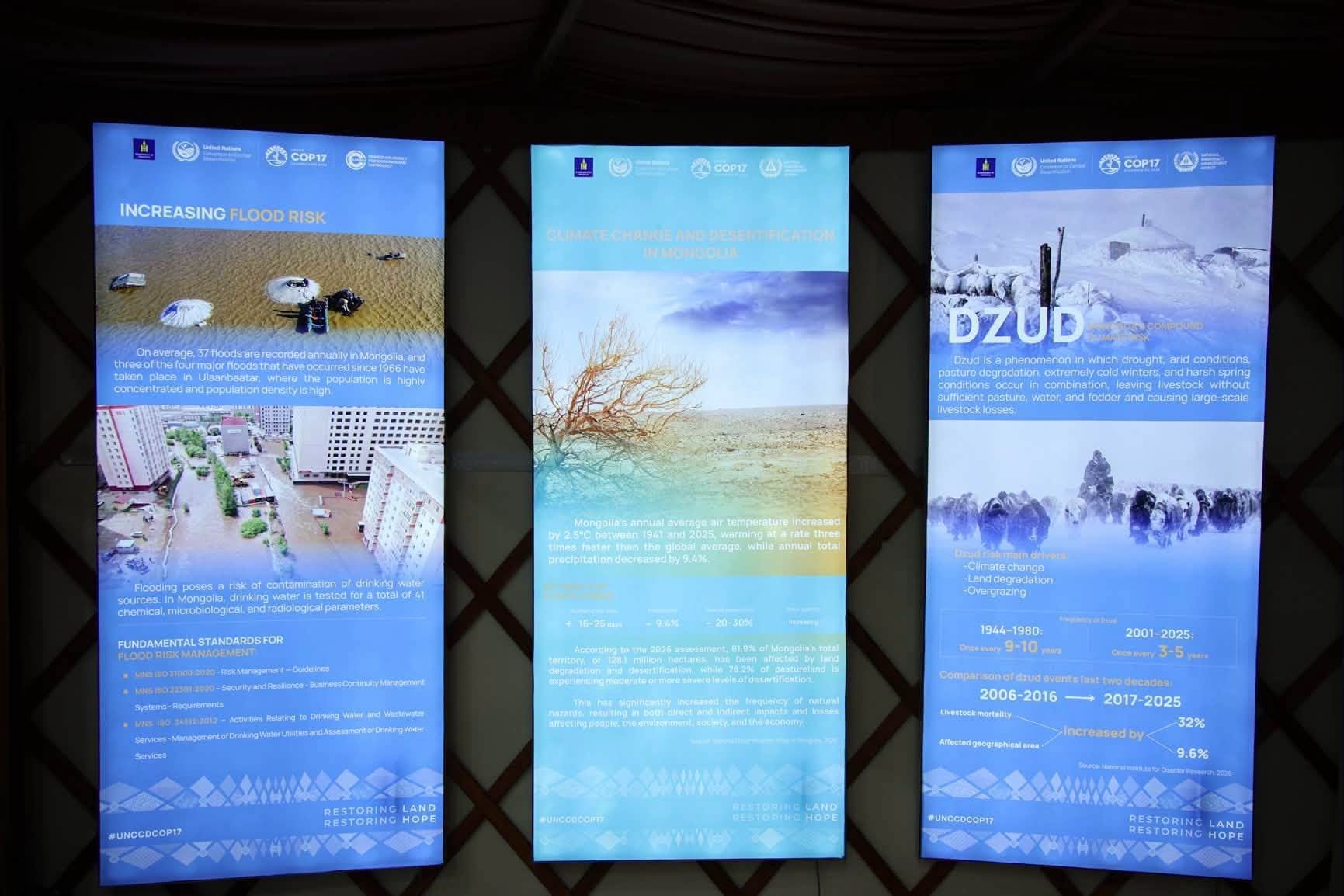
Featured quote from the panel discussion "Climate and Water-Related Disaster Risk, and Anticipatory action," presented during the event organized at the Government of Mongolia's Blue Zone Pavilion, held as part of "Water Day" at the 17th Session of the Conference of the Parties (COP17) to the United Nations Convention to Combat Desertification (UNCCD)
2026/04/03
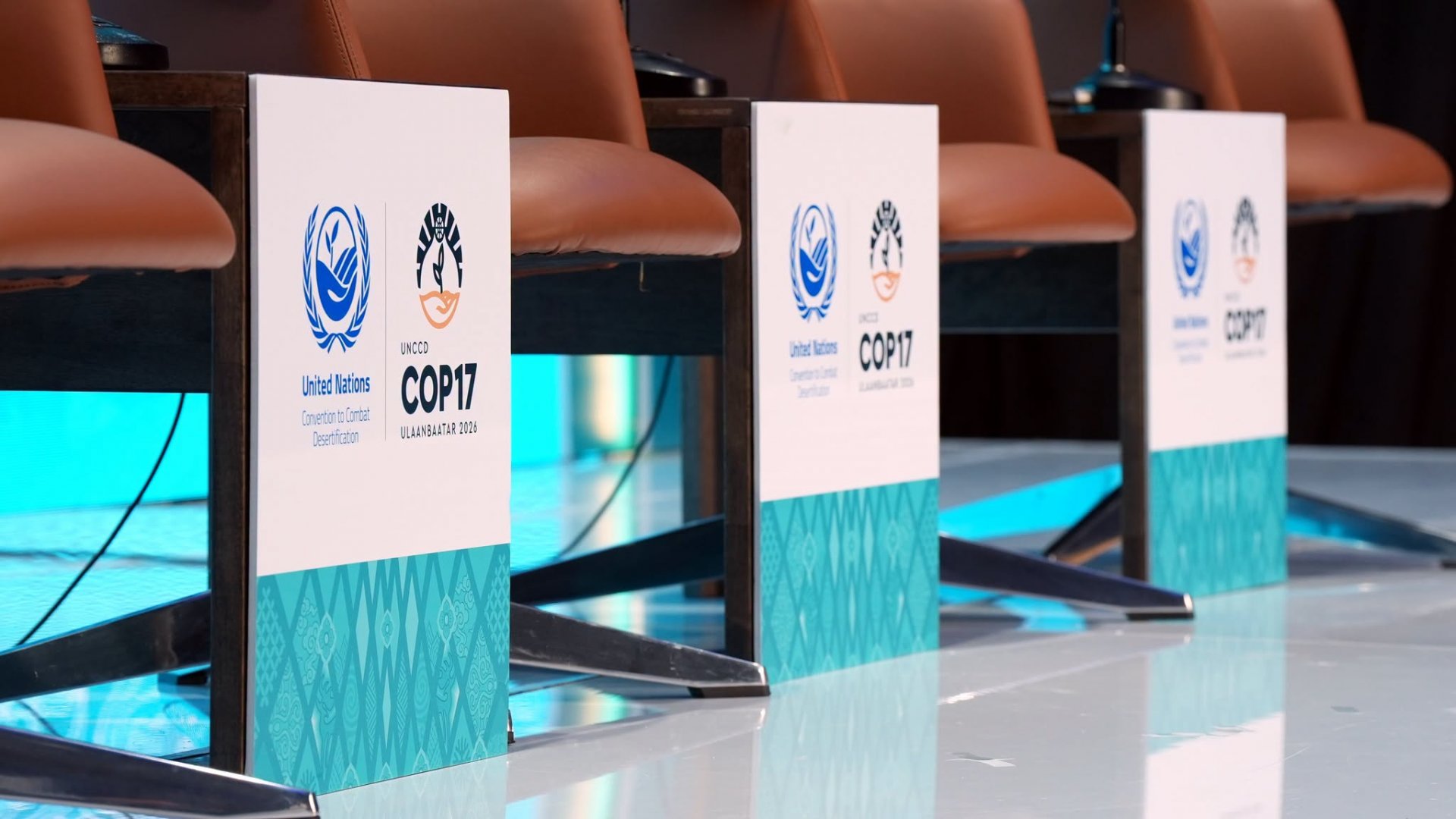
Recent NewsAs part of this event, a themed "Water Day" will take place tomorrow
We cordially invite you to attend the "Water Day" event at the Blue Zone Government Pavilion to learn about Mongolia's policies, scientific research, and practical experience regarding the interlinkages among water, land, ecosystems, and disaster risk.