Disaster risk reduction local council members participate in training

A delegation of 14 officers led by First Deputy Chief of the National Emergency Management Agency, Brigadier General J.Chultemsuren, attending in the “Disaster Risk Management and Sustainable Development” training organized by the Asian Disaster Preparedness Center in Bangkok,Thailand.
The training will continue until the 1st December, with the aim of providing the heads and members of local disaster risk reduction councils with the opportunity to learn from international best practices, the capacity of urban areas to overcome disasters, and the impact of disasters on sustainable development.
It has been five years since the disaster risk reduction council has been working at the national and local levels to implement the functions of public, private sector and inter-sectoral cooperation and citizens’ participation in disaster prevention activities.
The National Emergency Management Agency informed that the effective implementation of disaster risk reduction activities at the province, capital, and district level with the participation of citizens and industries, and thus improving the conditions for citizens to live in a healthy and safe environment, is highly dependent on the activities of this local council.
Copy all texts of this article
Download all images of this article
Other news
2023/12/12
Recent NewsVacancy notice
The Government of Mongolia, with support from the Asian Development Bank (ADB), is implementing a loan project to strengthen Mongolia's Integrated Early Warning System. The project aims to establish a multi-hazard early warning system and strengthen national disaster risk management capacity.
2023/12/12
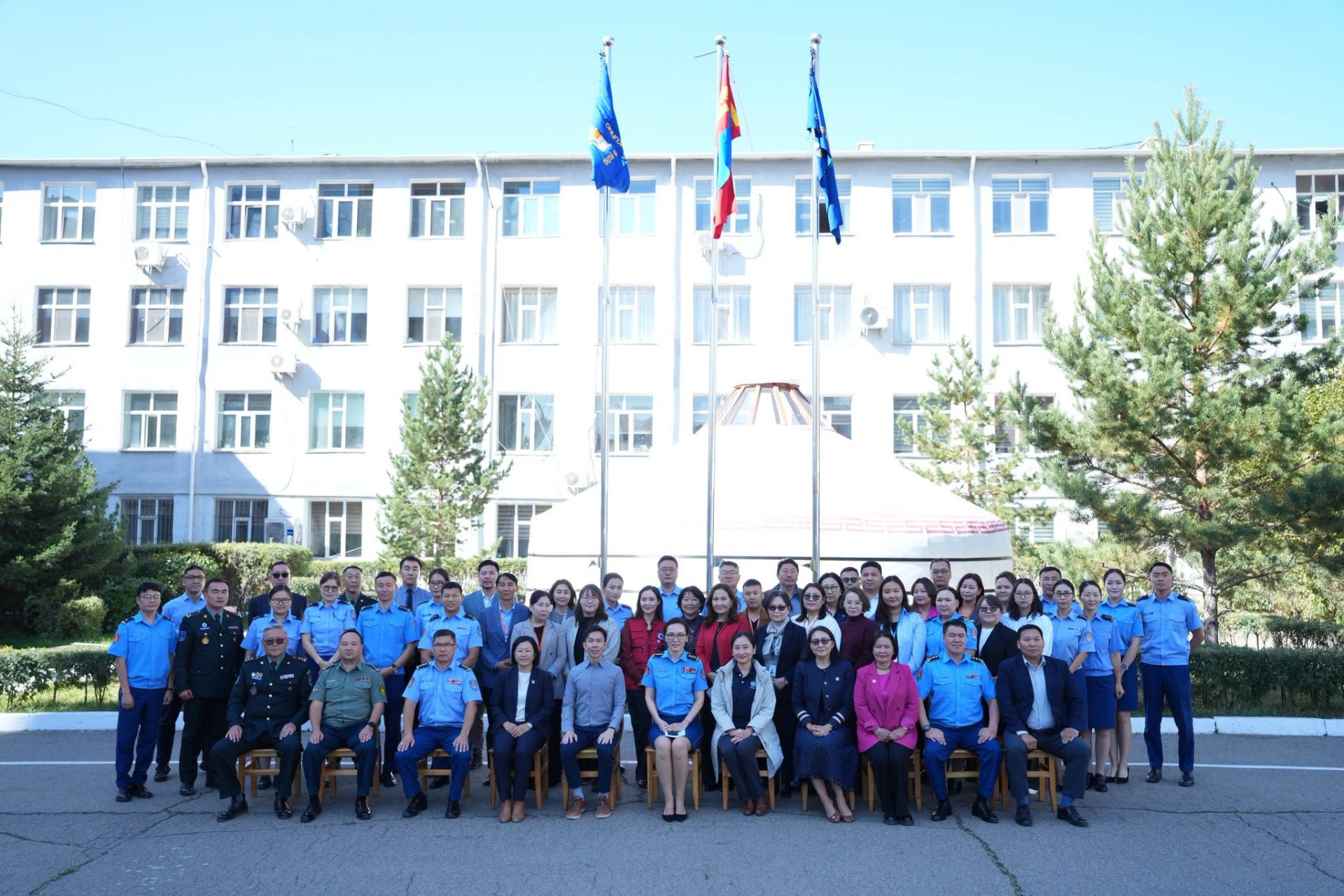
Recent NewsStrengthening national capacity for humanitarian coordination in Mongolia
Through a combination of technical presentations, practical exercises and facilitated discussions, participants explored approaches to strengthening coordination between national authorities and international humanitarian actors, as well as mechanisms for effective information-sharing, needs assessment and coordinated response.