Participated in the 3rd belt and road ministrial forum for international cooperation in disaster risk reduction and emergency management

Major General G.Ariunbuyan, Chief of the NEMA, participated in the 3rd Belt and Road ministerial forum for international cooperation in disaster reduction and emergency management by virtually, and other representatives led by the Ambassador Extraordinary and Plenipotentiary of Mongolia to the People’s Republic of China H.E. Mr. T. Badral, participated in-person.
At the III Belt and Road Ministerial Forum on Disaster Risk Reduction and Strengthening International Cooperation in Emergency Management organized by the Ministry of Emergency Management of the People’s Republic of China as part of the “Belt and Road” initiative.
The forum held in the in-person vs. virtual format in Beijing and attended by the Ministry of Emergency Management, the Ministry of Foreign Affairs, the United Nations Resident Representative, the International Development Cooperation Agency, Albania, Algeria, Belarus, Croatia, Germany, Kazakhstan, Kyrgyzstan 27 Ambassadors and over 290 representatives of the 20 countries.
The forum aims to deepen international cooperation in the field of disaster risk reduction and emergency management, strengthen mutual trust and partnership, and establish a cooperation mechanism. It is distinguished by the fact that it was organized after the conference.
Copy all texts of this article
Download all images of this article
Other news
2023/12/12
Recent NewsVacancy notice
The Government of Mongolia, with support from the Asian Development Bank (ADB), is implementing a loan project to strengthen Mongolia's Integrated Early Warning System. The project aims to establish a multi-hazard early warning system and strengthen national disaster risk management capacity.
2023/12/12
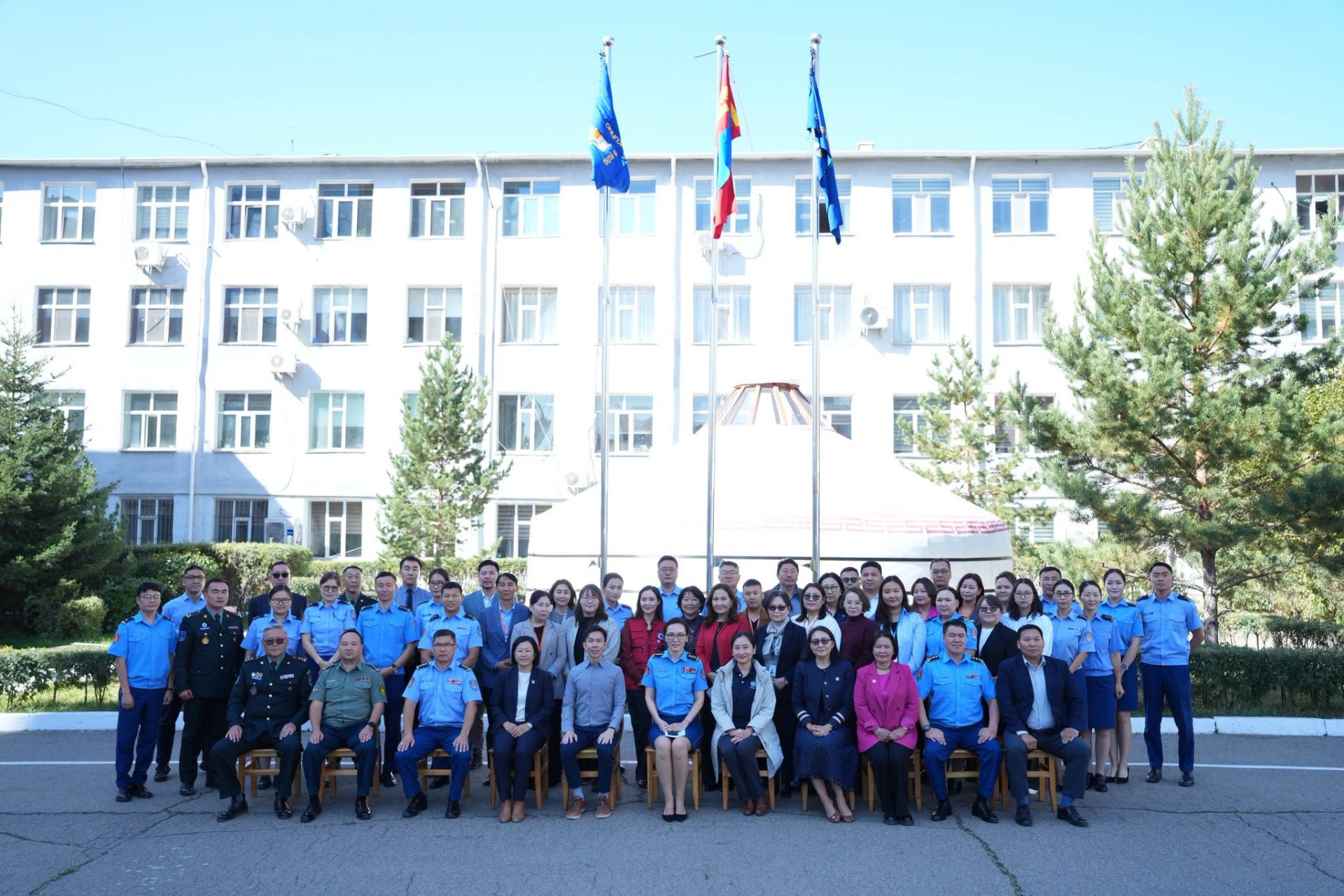
Recent NewsStrengthening national capacity for humanitarian coordination in Mongolia
Through a combination of technical presentations, practical exercises and facilitated discussions, participants explored approaches to strengthening coordination between national authorities and international humanitarian actors, as well as mechanisms for effective information-sharing, needs assessment and coordinated response.