The National Emergency Management Agency signed a cooperation agreement with "Kei Po Yu" LLC of the Republic of South Korea in order to establish a cooperation system related to training, research, and health care support. The agreement was signed by the Chief of NEMA, Major General G.Ariunbuyan, and the Deputy Director, Mr.Yi Hu Sog of the "Kei Po Yu" Ltd.
During the meeting, sides exchanged views on strengthening participation in international and domestic academic conferences by virtually. The doctors and medical officers could exchange experience and treatment diagnoses and information electronically, such as implement health care services, emergency training and infectious disease prevention programs for employees, toxic substances and infectious diseases Cooperate by providing counseling and treatment to the recruited employees, and conducting organizational research.
Within the framework of cooperation, the personnels and their family members will be offered a 5-25% discount at the "Mirae Medical Center", "KMI Medical Research Center", "Cha General Hospital", "Gangnam Severance Hospital", and Samsung Medical Center. Although will provide free of charge information and visa document preparation, visa issuance, and translation services.
Incidentally, last year in June, signed a cooperation agreement with Changchuwan and El Hospitals in South Korea to provide healthcare check-out personnel and their family members with up to 40% discounted medical care service.
Copy all texts of this article
Download all images of this article
Other news
2024/01/22
Recent NewsVacancy notice
The Government of Mongolia, with support from the Asian Development Bank (ADB), is implementing a loan project to strengthen Mongolia's Integrated Early Warning System. The project aims to establish a multi-hazard early warning system and strengthen national disaster risk management capacity.
2024/01/22
Recent NewsStrengthening national capacity for humanitarian coordination in Mongolia
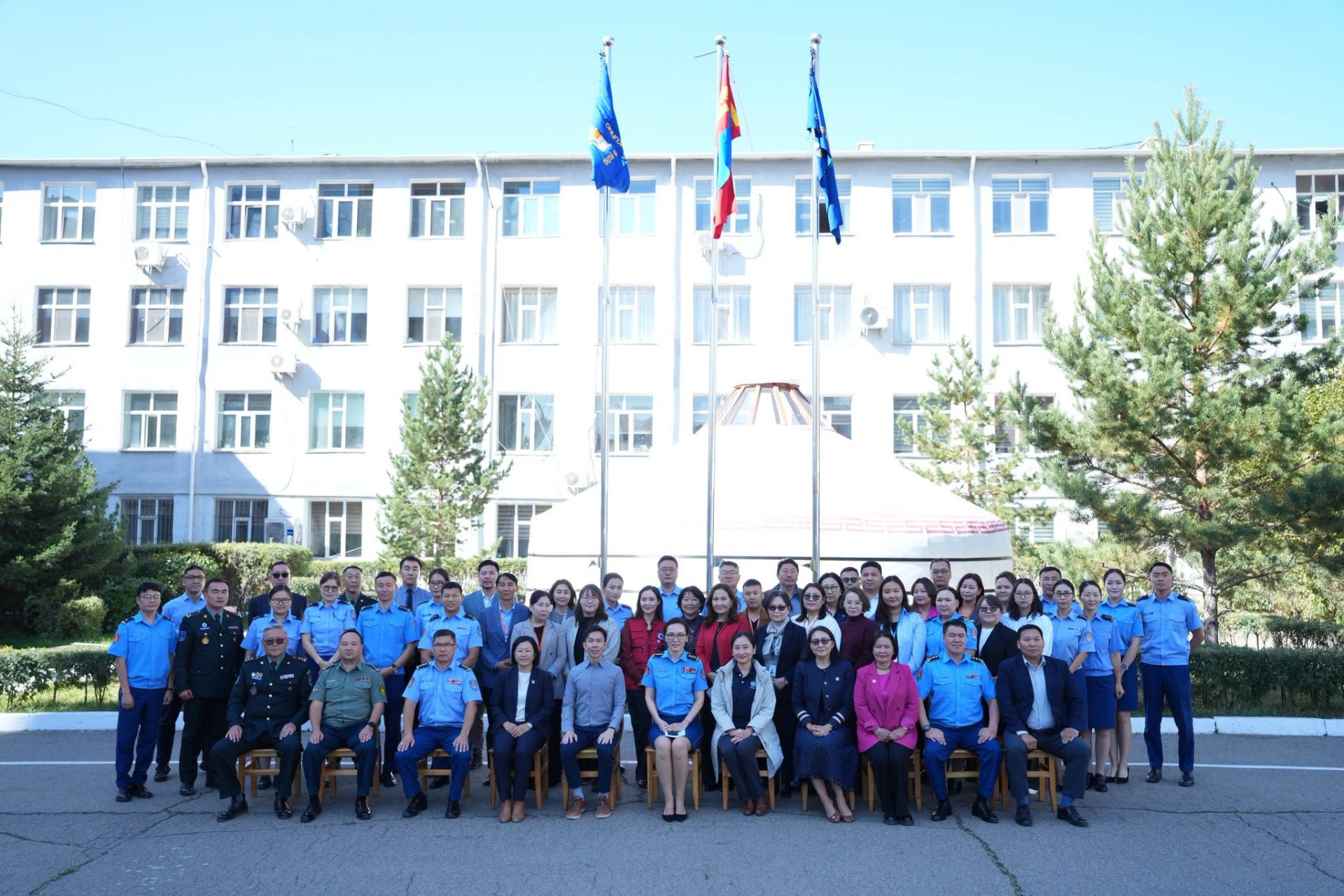
Through a combination of technical presentations, practical exercises and facilitated discussions, participants explored approaches to strengthening coordination between national authorities and international humanitarian actors, as well as mechanisms for effective information-sharing, needs assessment and coordinated response.