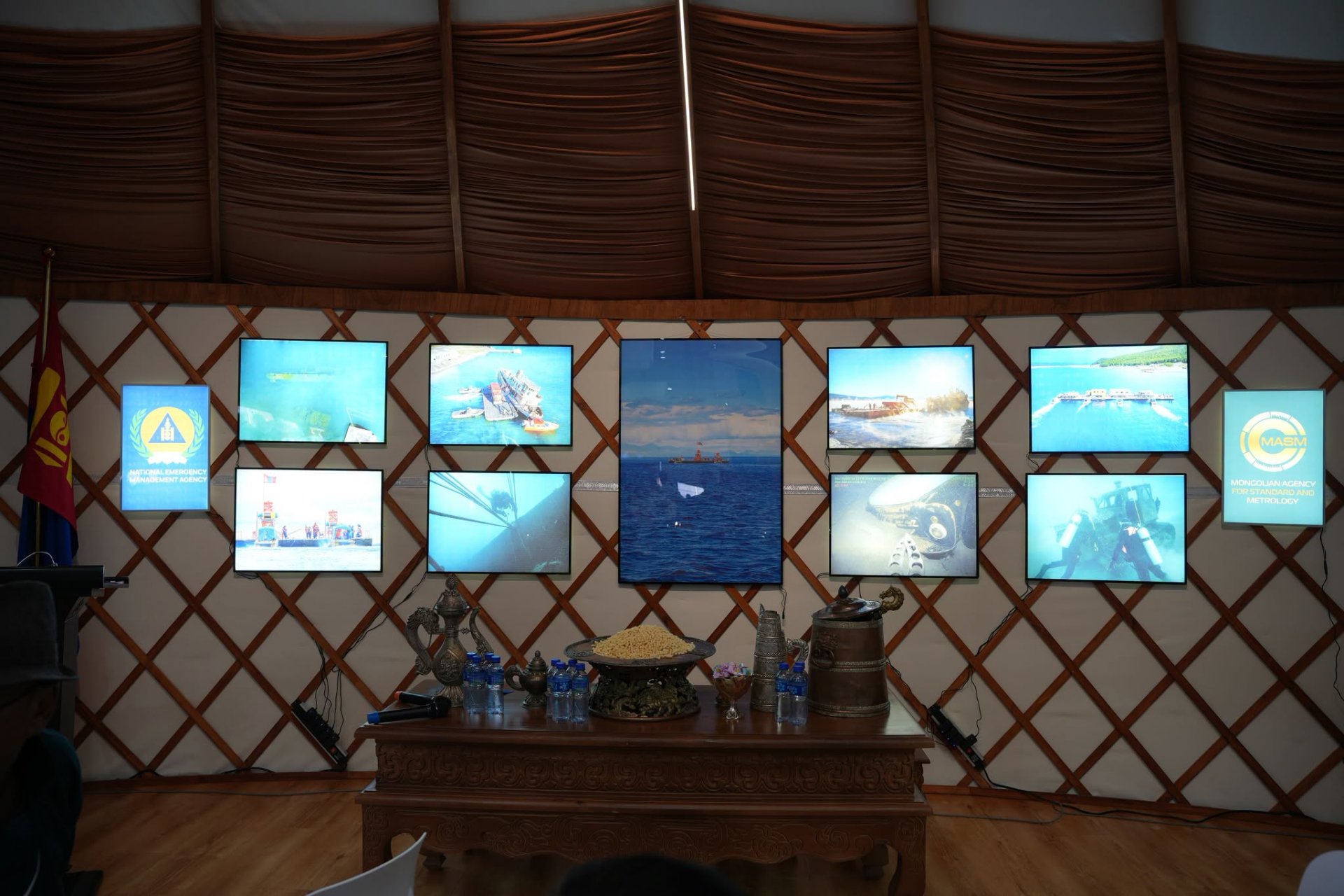
The memorandum was signed by L.Sayanaa, Ambassador Extraordinary and Plenipotentiary of Mongolia to the Republic of Bulgaria (attached to Romania) and Mr.Raed Arafad MD, Deputy Minister of the Interior and Head of the Emergency Situation Department of Romania, in Bucharest.
In the field of disaster prevention, the two countries will cooperate on a wide scale by exchanging experience, conducting training and research, and strengthening the capacity to fight disasters in urban areas.
It will also improve rescue operations during disasters, provide doctors and medical staff with long-term and short-term training to strengthen the capacity of rehabilitation and services in Rum, and introduce relevant European standards for disaster prevention activities.
The General Inspectorate for Emergency Situation of Romania is highly valued professionally in the European Union for organizing rescue operations, providing medical assistance and rehabilitation services to disaster victims, so it is an advantage of becoming an important partner in training the employees of the Emergency Management Organization of our country.
Copy all texts of this article
Download all images of this article
Other news
2024/02/15
Recent NewsVacancy notice
The Government of Mongolia, with support from the Asian Development Bank (ADB), is implementing a loan project to strengthen Mongolia's Integrated Early Warning System. The project aims to establish a multi-hazard early warning system and strengthen national disaster risk management capacity.
2024/02/15
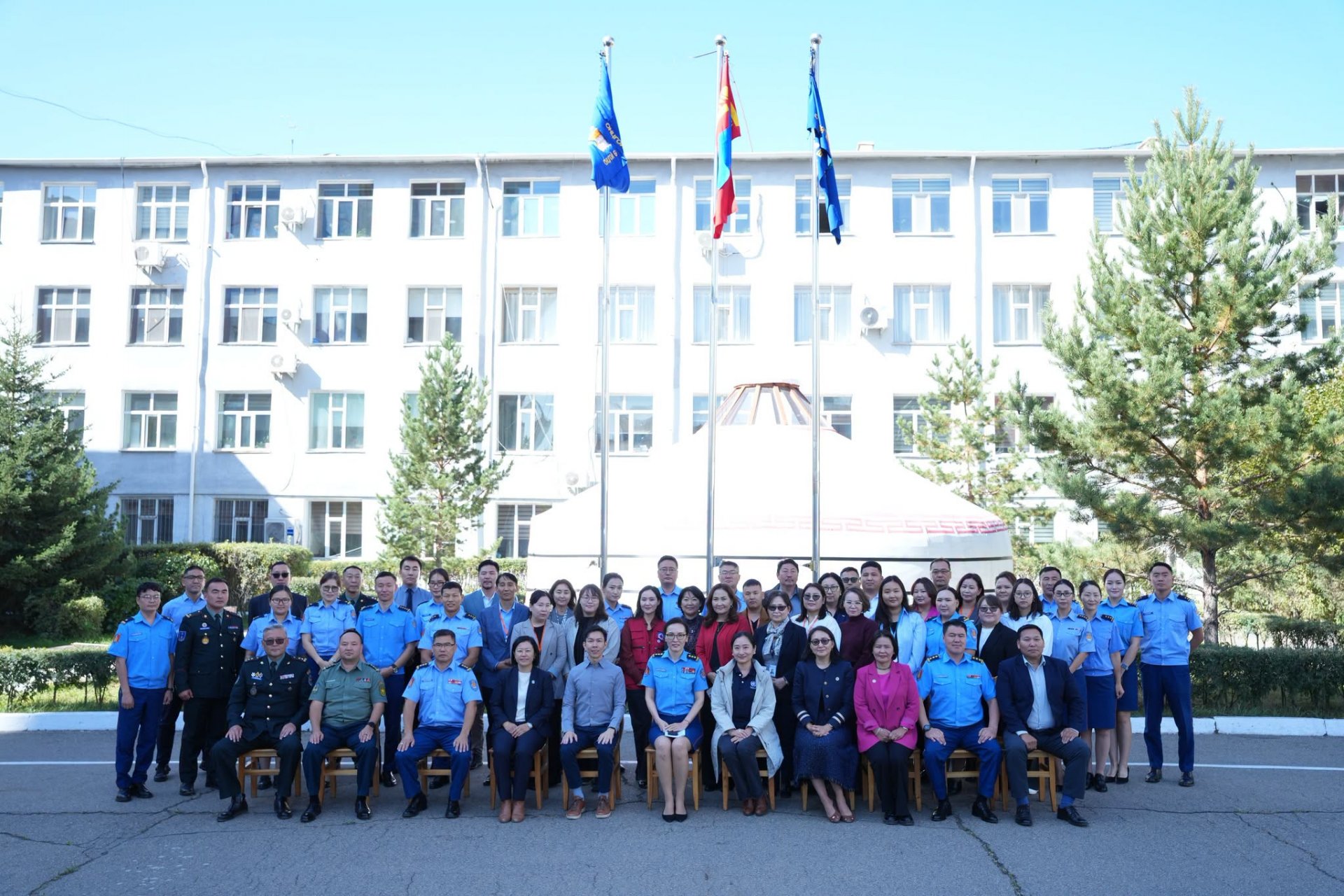
Recent NewsStrengthening national capacity for humanitarian coordination in Mongolia
Through a combination of technical presentations, practical exercises and facilitated discussions, participants explored approaches to strengthening coordination between national authorities and international humanitarian actors, as well as mechanisms for effective information-sharing, needs assessment and coordinated response.