Participating in "road and belt”coordinators' meeting and youth discussion
At the meeting of "Road and Belt” coordinators and youth discussion organized by the Ministry of Emergency Management of the People's Republic of China in cooperation with the Center for International Cooperation under it, the Ambassador Extraordinary and Plenipotentiary of Mongolia to China N. Enkhbold, Colonel Unenbaatar.B Director of the Administrative Management of NEMA and other representatives are participating.
During the meeting, Ambassador Enkhbold. N expressed his support and cooperation with Mongolia in a meeting with Xu JiaAi, Deputy Minister of the Ministry of Emergency Management of the People's Republic of China.

The "Road and Belt" disaster risk reduction and emergency management coordinators' meeting was held for the first time in 2023.
Within the cooperation initiative with 14 measure approved by the meeting, 4 groups are organizing the exchange of ideas and dialogues of young people in disaster management "Road and Belt".
37 representatives of 27 countries and international organizations are participating in the meeting.
The People's Republic of China organized the Ministerial Conference on Disaster Prevention in 2021 within the framework of the "Road and Belt” initiative and became the first country to support Mongolia in putting forward the proposal for the establishment of a mechanism, and since then has been actively participating in the activities.
Copy all texts of this article
Download all images of this article
Other news
2024/11/13
Recent NewsVacancy notice
The Government of Mongolia, with support from the Asian Development Bank (ADB), is implementing a loan project to strengthen Mongolia's Integrated Early Warning System. The project aims to establish a multi-hazard early warning system and strengthen national disaster risk management capacity.
2024/11/13
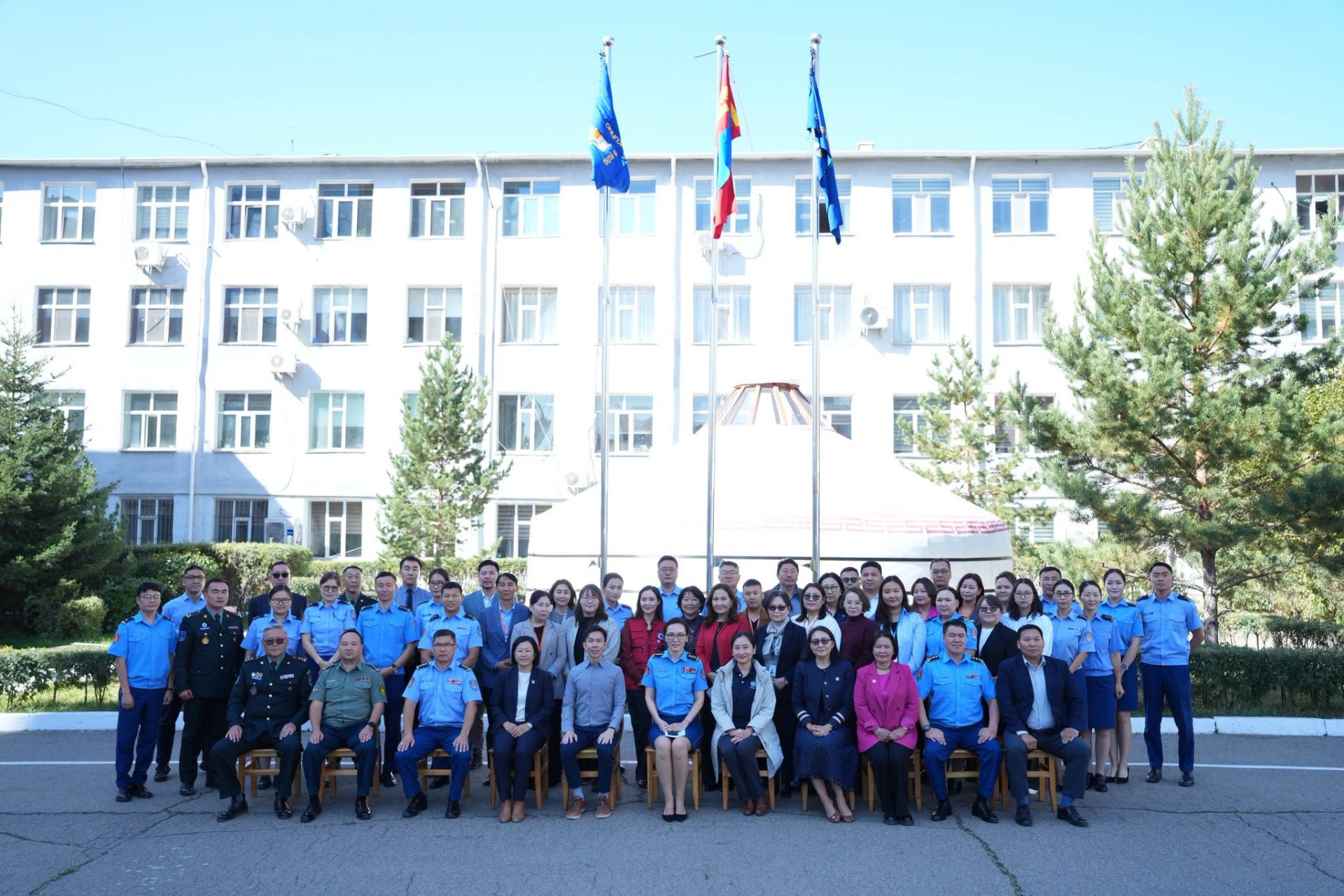
Recent NewsStrengthening national capacity for humanitarian coordination in Mongolia
Through a combination of technical presentations, practical exercises and facilitated discussions, participants explored approaches to strengthening coordination between national authorities and international humanitarian actors, as well as mechanisms for effective information-sharing, needs assessment and coordinated response.