Strengthening national capacity for humanitarian coordination in Mongolia
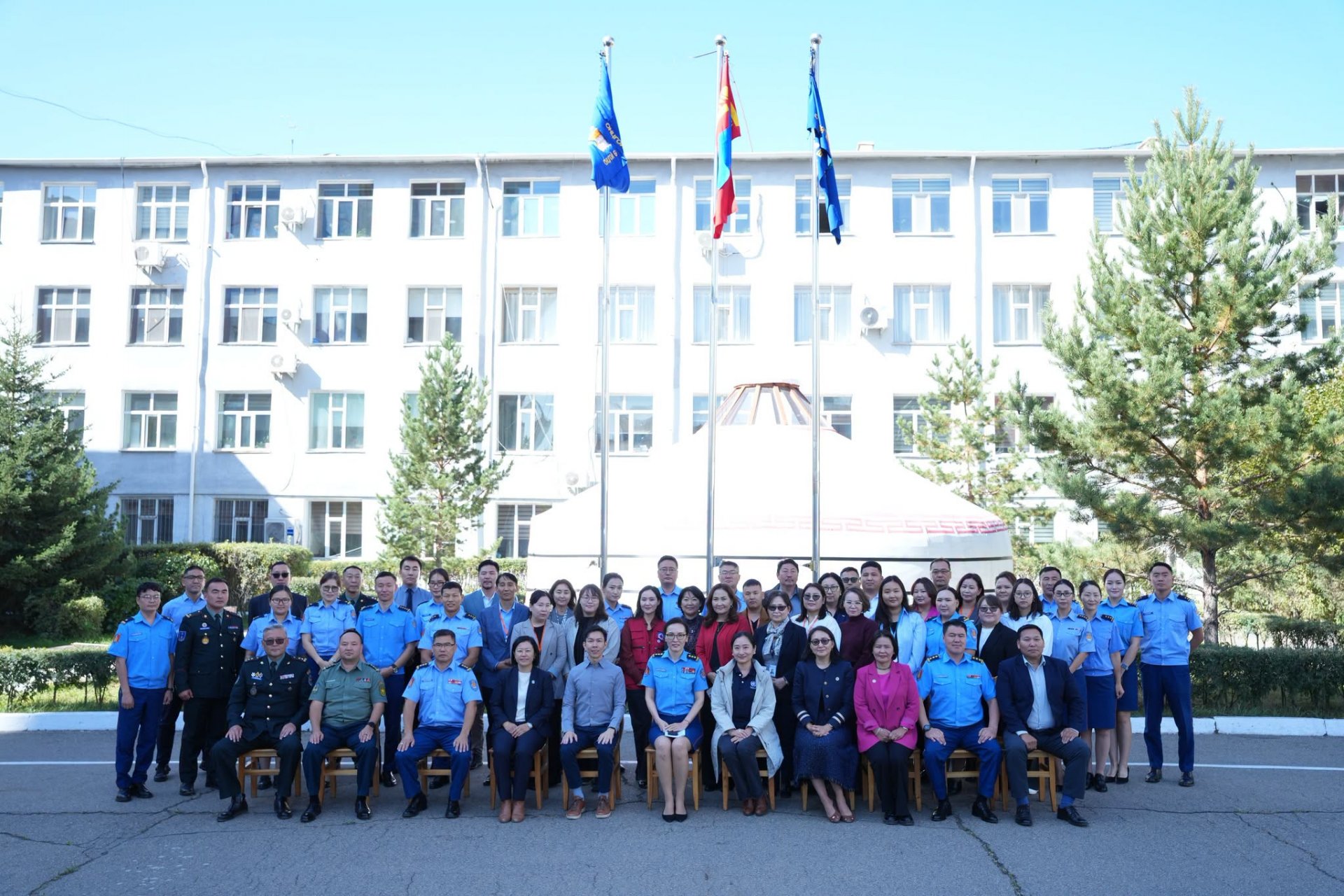
The National Emergency Management Agency (NEMA), in collaboration with the United Nations Resident Coordinator’s Office (RCO) in Mongolia and the United Nations Office for the Coordination of Humanitarian Affairs Regional Office for Asia and the Pacific (OCHA ROAP), organized a three-day Training of Trainers on International Humanitarian Coordination from 9 to 11 September.
The training brought together emergency management officials and disaster management focal points from the Cabinet Secretariat, ministries and government agencies. It provided participants with an opportunity to strengthen their understanding of the international humanitarian system and its coordination mechanisms, with a particular focus on the coordination of disaster response, humanitarian assistance, situation analysis, operational coordination and civil-military coordination.
Through a combination of technical presentations, practical exercises and facilitated discussions, participants explored approaches to strengthening coordination between national authorities and international humanitarian actors, as well as mechanisms for effective information-sharing, needs assessment and coordinated response.
.jpeg)
The training was facilitated by Mr. Wang Rui, Humanitarian Affairs Officer at OCHA ROAP, and Ms. Nidhirat Srisirirojanakorn, Humanitarian Affairs Officer and Civil-Military Coordination (CMCoord) Specialist at OCHA ROAP.
Guest speakers from the Food and Agriculture Organization of the United Nations (FAO), the United Nations Population Fund (UNFPA), the International Organization for Migration (IOM), the United Nations Children’s Fund (UNICEF), the World Health Organization (WHO), and the Mongolian Red Cross Society shared sector-specific perspectives and practical experience on humanitarian response and inter-agency coordination.
The Training of Trainers represents an important step towards strengthening national capacity for humanitarian coordination in Mongolia. It also supports the development of a pool of national trainers capable of cascading knowledge and skills through future training programmes and exercises, thereby contributing to more coherent, timely and effective humanitarian preparedness and response.
Copy all texts of this article
Download all images of this article
Other news
2026/09/14
Recent NewsStrengthening national capacity for humanitarian coordination in Mongolia
Through a combination of technical presentations, practical exercises and facilitated discussions, participants explored approaches to strengthening coordination between national authorities and international humanitarian actors, as well as mechanisms for effective information-sharing, needs assessment and coordinated response.
2026/09/14
Recent NewsFeatured quote from the panel discussion "Climate and Water-Related Disaster Risk, and Anticipatory action
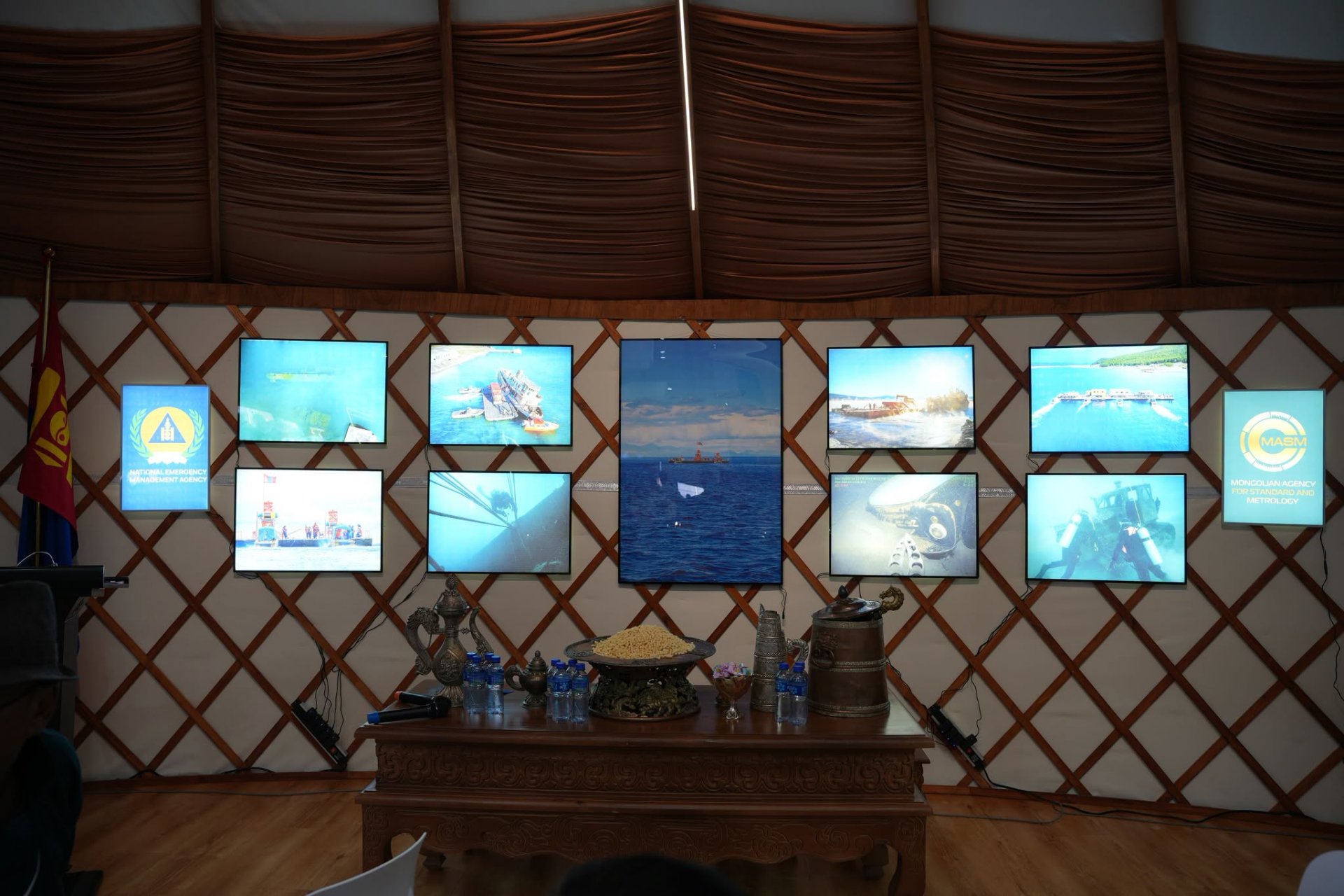
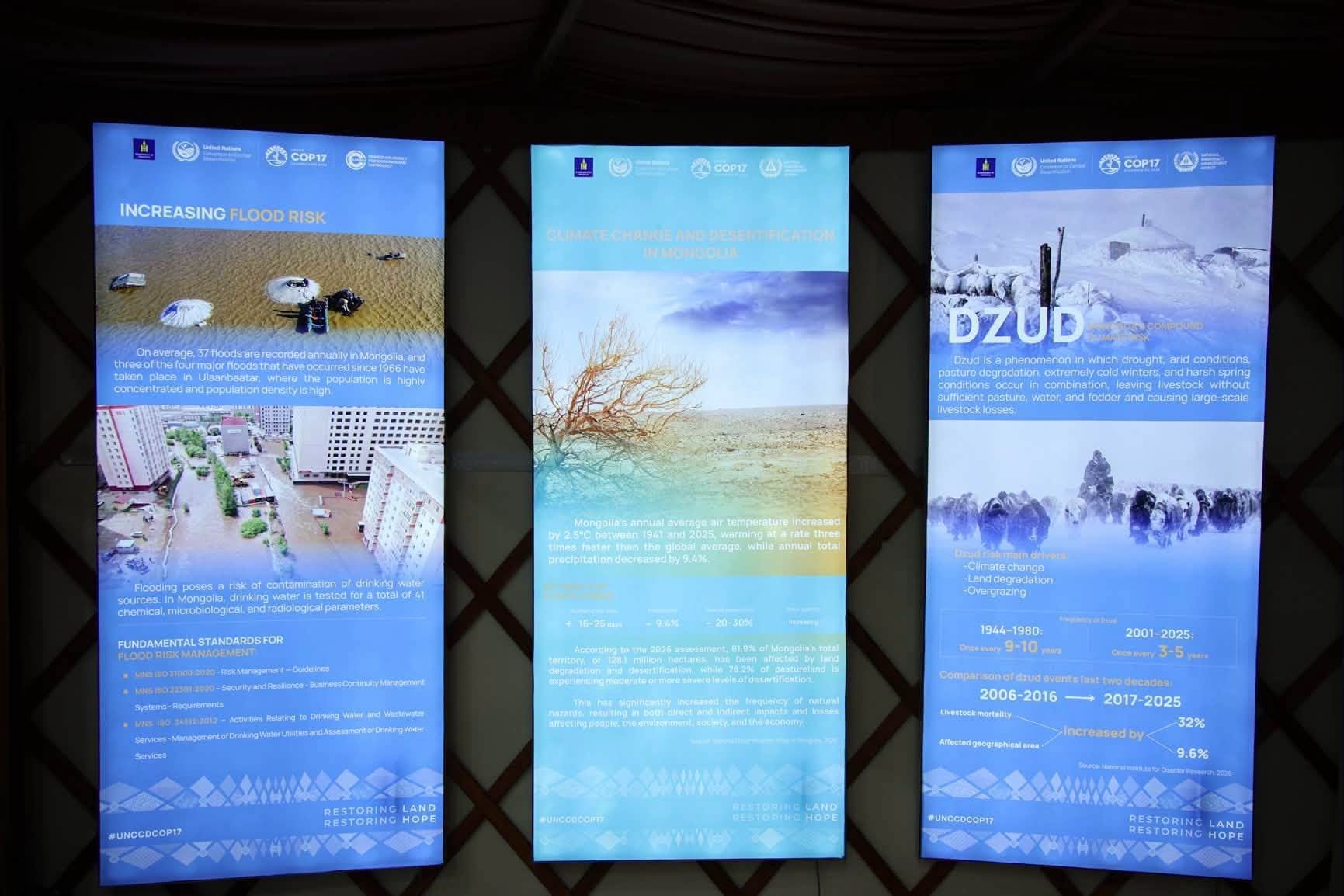
Featured quote from the panel discussion "Climate and Water-Related Disaster Risk, and Anticipatory action," presented during the event organized at the Government of Mongolia's Blue Zone Pavilion, held as part of "Water Day" at the 17th Session of the Conference of the Parties (COP17) to the United Nations Convention to Combat Desertification (UNCCD)