COP17 Mongolia: “Partnership for a green future: women’s leadership” forum
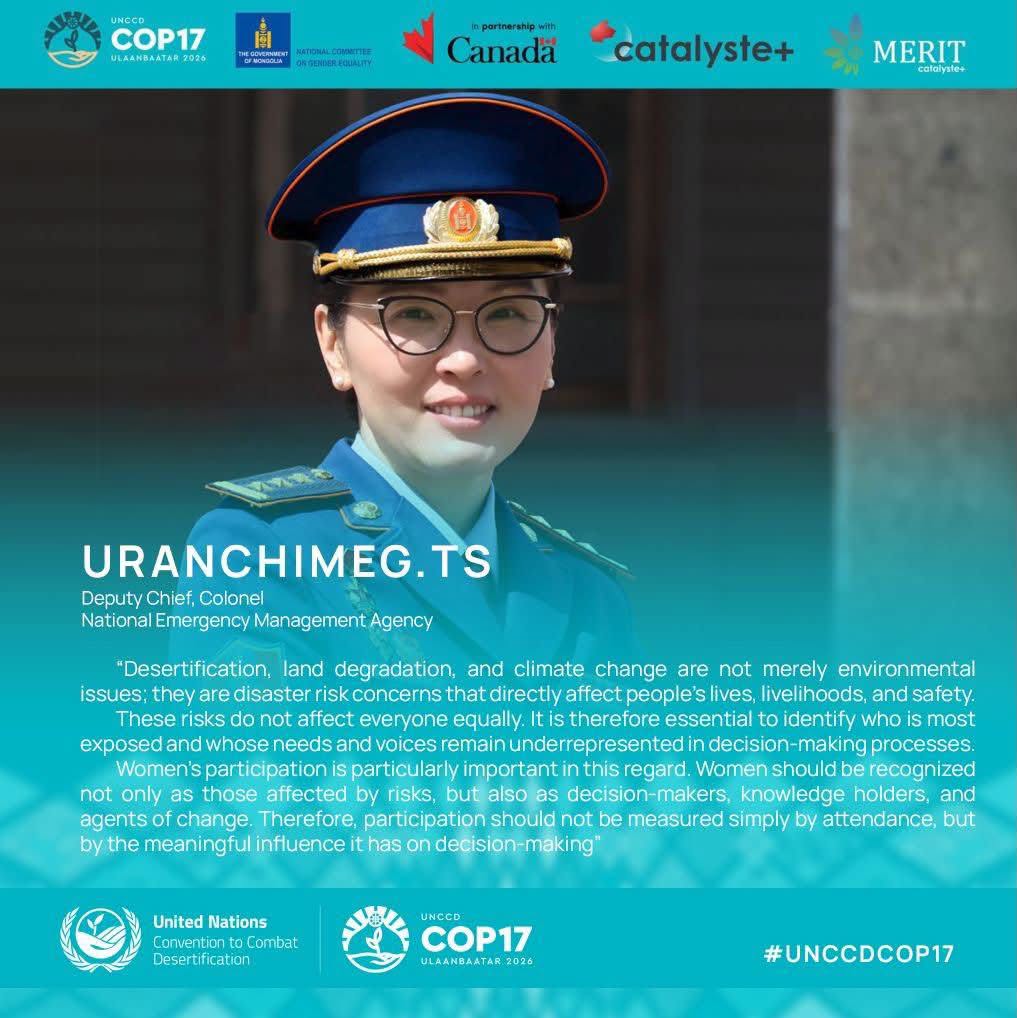
Colonel Ts. Uranchimeg, Deputy Chief of the National Emergency Management Agency (NEMA), Participated as a Panelist
As part of the 17th Session of the Conference of the Parties (COP17) to the United Nations Convention to Combat Desertification (UNCCD), the “Partnership for a Green Future: Women’s Leadership” Forum for Women Civil Servants was jointly organized by the National Committee on Gender Equality and the Canada-Mongolia MERIT Project.
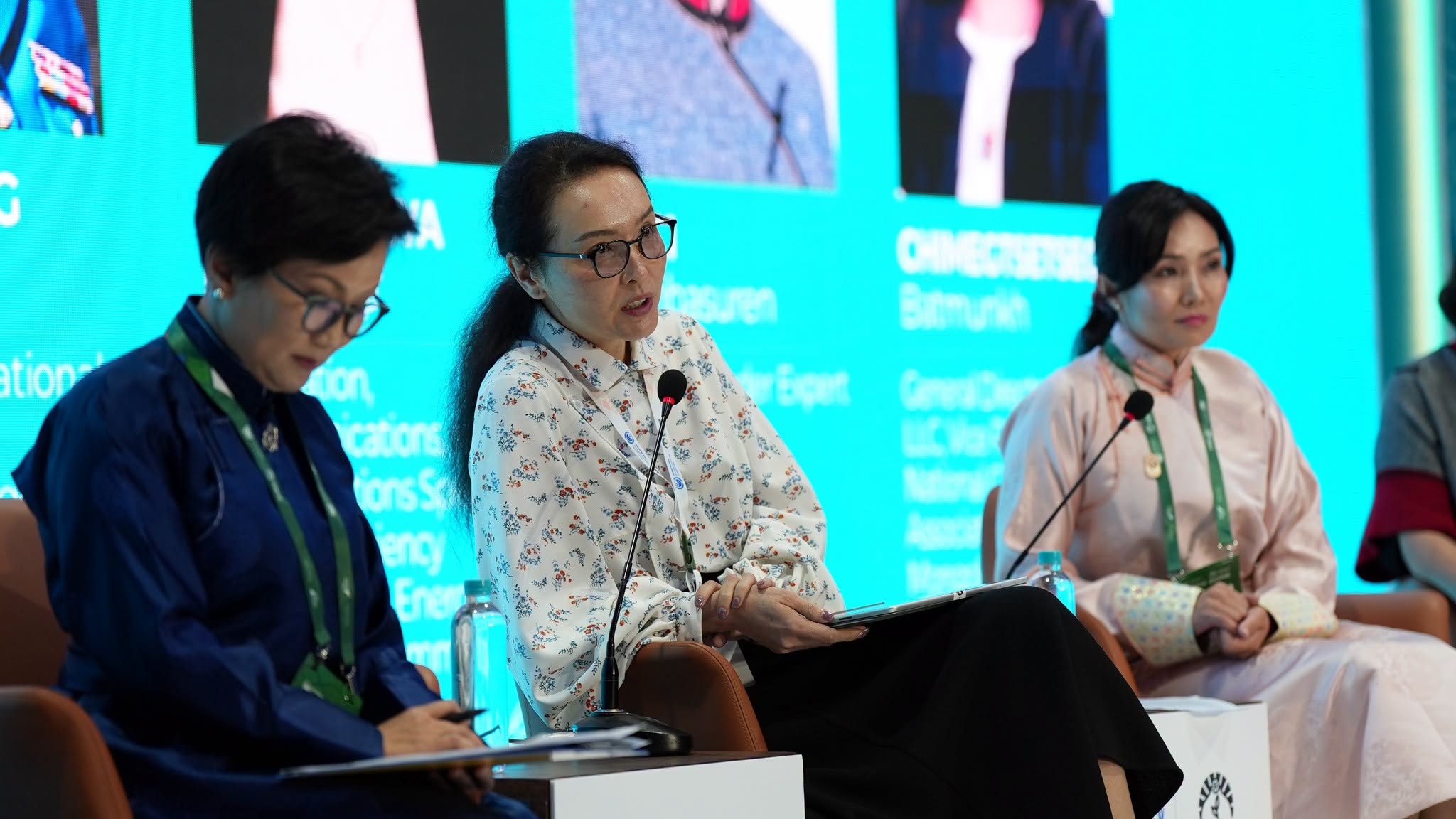
Colonel Ts. Uranchimeg, Deputy Chief of the National Emergency Management Agency (NEMA), participated as a panelist in the Panel Discussion: “Leadership and Participation of Women Civil Servants in Environmental Decision-Making Processes.”
Approximately 120 representatives from 21 provinces, the capital city, districts, and other government institutions participated in the forum and developed recommendations aimed at strengthening the leadership of women civil servants in environmental protection.
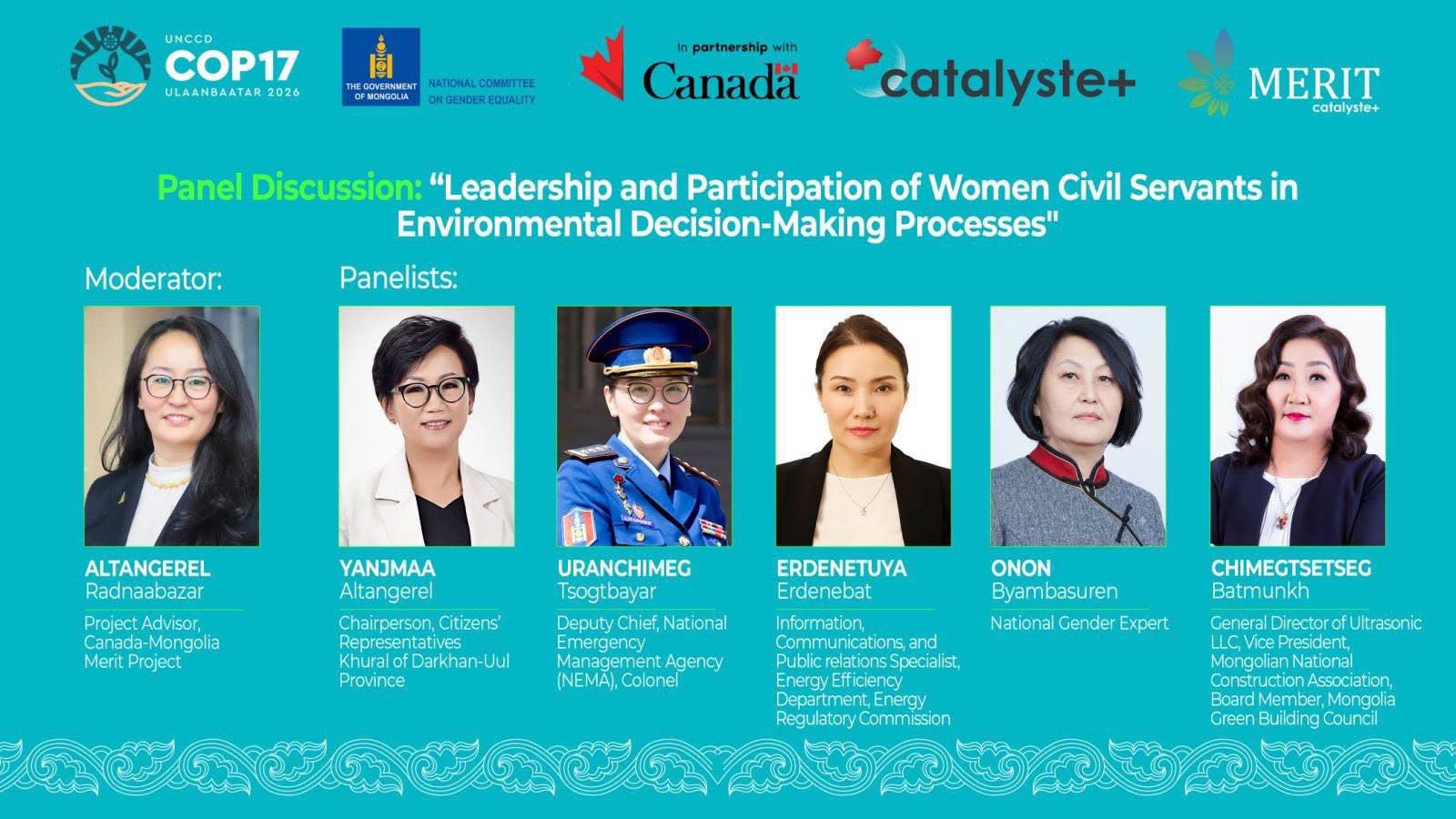
The forum was organized to support the implementation of the Beijing Declaration and Platform for Action and the Intersectoral Strategic Plan for Gender Equality (2022–2031). It also aimed to highlight and strengthen the role women have played in environmental protection, their future contributions, and the participation and leadership of women civil servants in environmental decision-making processes.
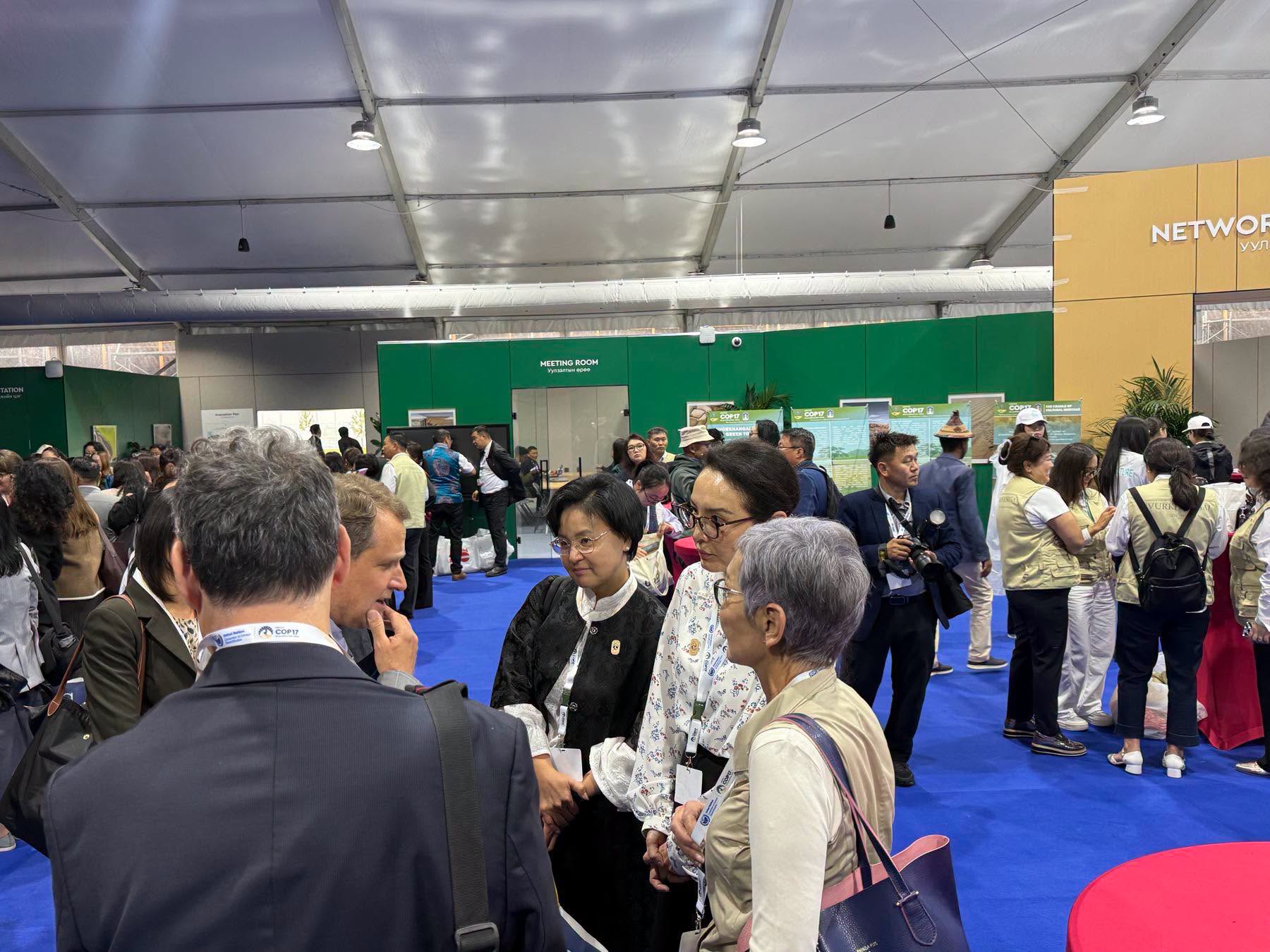
The forum served as an important platform for promoting women’s leadership and meaningful participation in environmental governance and decision-making, particularly in addressing challenges related to desertification, land degradation, and climate change.
Copy all texts of this article
Download all images of this article
Other news
2026/08/20
Recent NewsVacancy notice
The Government of Mongolia, with support from the Asian Development Bank (ADB), is implementing a loan project to strengthen Mongolia's Integrated Early Warning System. The project aims to establish a multi-hazard early warning system and strengthen national disaster risk management capacity.
2026/08/20
Recent NewsStrengthening national capacity for humanitarian coordination in Mongolia
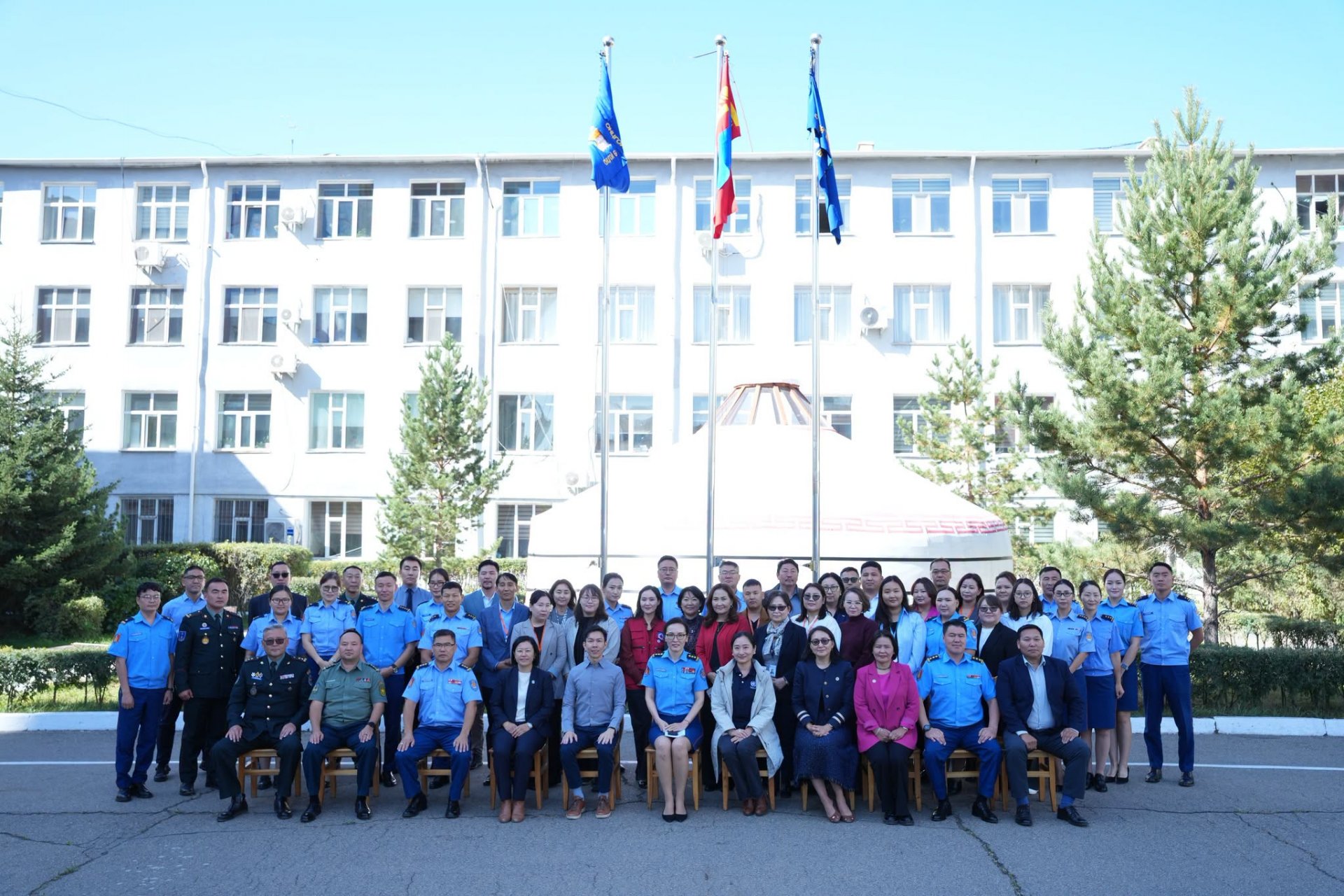
Through a combination of technical presentations, practical exercises and facilitated discussions, participants explored approaches to strengthening coordination between national authorities and international humanitarian actors, as well as mechanisms for effective information-sharing, needs assessment and coordinated response.