Nema 19 officers will take on duties for peacekeeping
Nineteen officers of the Emergency Organization will be serving in the 14th motorized rifle battalion of the Mongolian Armed Forces in the UN peacekeeping operation "UNMISS" in the Republic of South Sudan.
The farewell ceremony for these personnel was held today. During the ceremony, Major General G. Ariunbuyan, Chief of the NEMA, wished success to the personnel who are on mission, and as a result of their professional skills, dexterity, endurance, and courage in the work of establishing peace in the world, the reputation of the emergency services personnel of the State Military and law enforcement agencies are also increasingly recognized internationally.

On this occasion, Lieutenant D. Tuvshintugs, the mechanic of the Emergency Management Department of the Khan-Uul district who is in charge of the 14th shift, handed over the flag of the National Emergency Management Agency.
Although, the necessary equipment was handed over to the officers on duty. In particular, special firefighting clothing, immunity support medical packages, and other necessary tools were handed over.
In the 14th motorized, the 19 personnel who will be on duty from the Emergency Service consists of three officers and supervisors from the central and local Emergency Management Departments and units, including firefighters and rescuers.
Copy all texts of this article
Download all images of this article
Other news
2024/10/10
Recent NewsVacancy notice
The Government of Mongolia, with support from the Asian Development Bank (ADB), is implementing a loan project to strengthen Mongolia's Integrated Early Warning System. The project aims to establish a multi-hazard early warning system and strengthen national disaster risk management capacity.
2024/10/10
Recent NewsStrengthening national capacity for humanitarian coordination in Mongolia
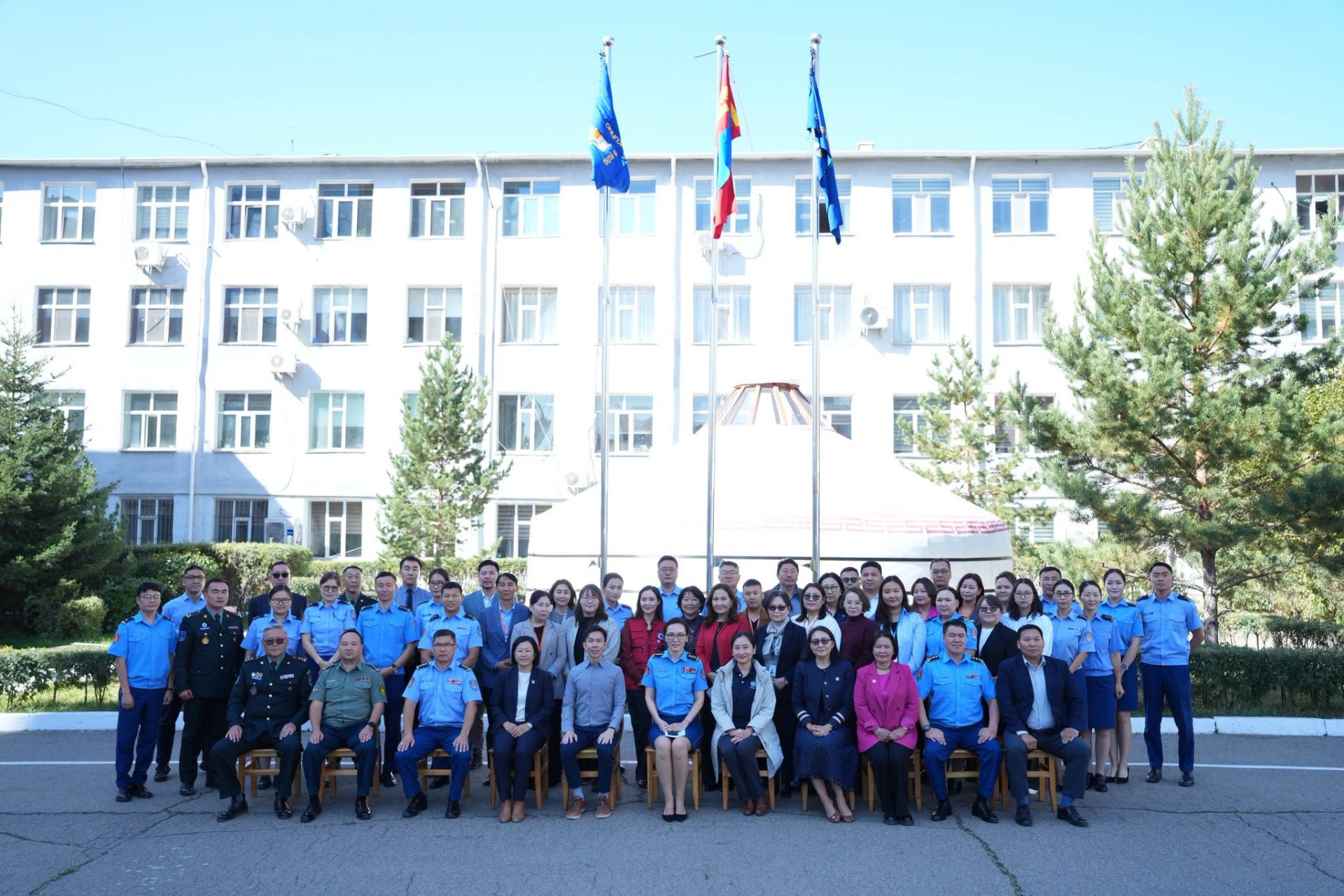
Through a combination of technical presentations, practical exercises and facilitated discussions, participants explored approaches to strengthening coordination between national authorities and international humanitarian actors, as well as mechanisms for effective information-sharing, needs assessment and coordinated response.