The short-term drill was organized for the first time as part of the project
Experts from the “Strengthening the Capacity of Search and Rescue Operations in Urban Mongolia” project, implemented by the National Emergency Management Agency in collaboration with the Swiss Development Agency, worked at the NEMA from December 2 to December 6.
Colonel Ts. Ganzorig, the First Deputy Chief of NEMA, welcomed a delegation led by Markus Gruenenfelder, an expert from the Swiss Development Agency. They discussed the progress and outcomes of the project, exchanging views with the leaders of the working group.

For the first time, the management and rescue teams of the working group at the National Rescue Brigade, part of the National Emergency Management Agency, organized a joint short-term training course. This course followed the "Rules of the International Search and Rescue Advisory Group" and focused on leadership and organizational skills.
A trilateral virtual meeting will be organized with the leadership of the National Emergency Management Agency and representatives from the Ministry of Emergency Management of the People's Republic of China, along with its National Earthquake Response Support Service. This meeting aims to further develop cooperation on the project. Additionally, there will be a visit by Chinese experts in 2025 to evaluate the rescue team of the National Emergency Management Agency
Copy all texts of this article
Download all images of this article
Other news
2024/12/10
Recent NewsVacancy notice
The Government of Mongolia, with support from the Asian Development Bank (ADB), is implementing a loan project to strengthen Mongolia's Integrated Early Warning System. The project aims to establish a multi-hazard early warning system and strengthen national disaster risk management capacity.
2024/12/10
Recent NewsStrengthening national capacity for humanitarian coordination in Mongolia
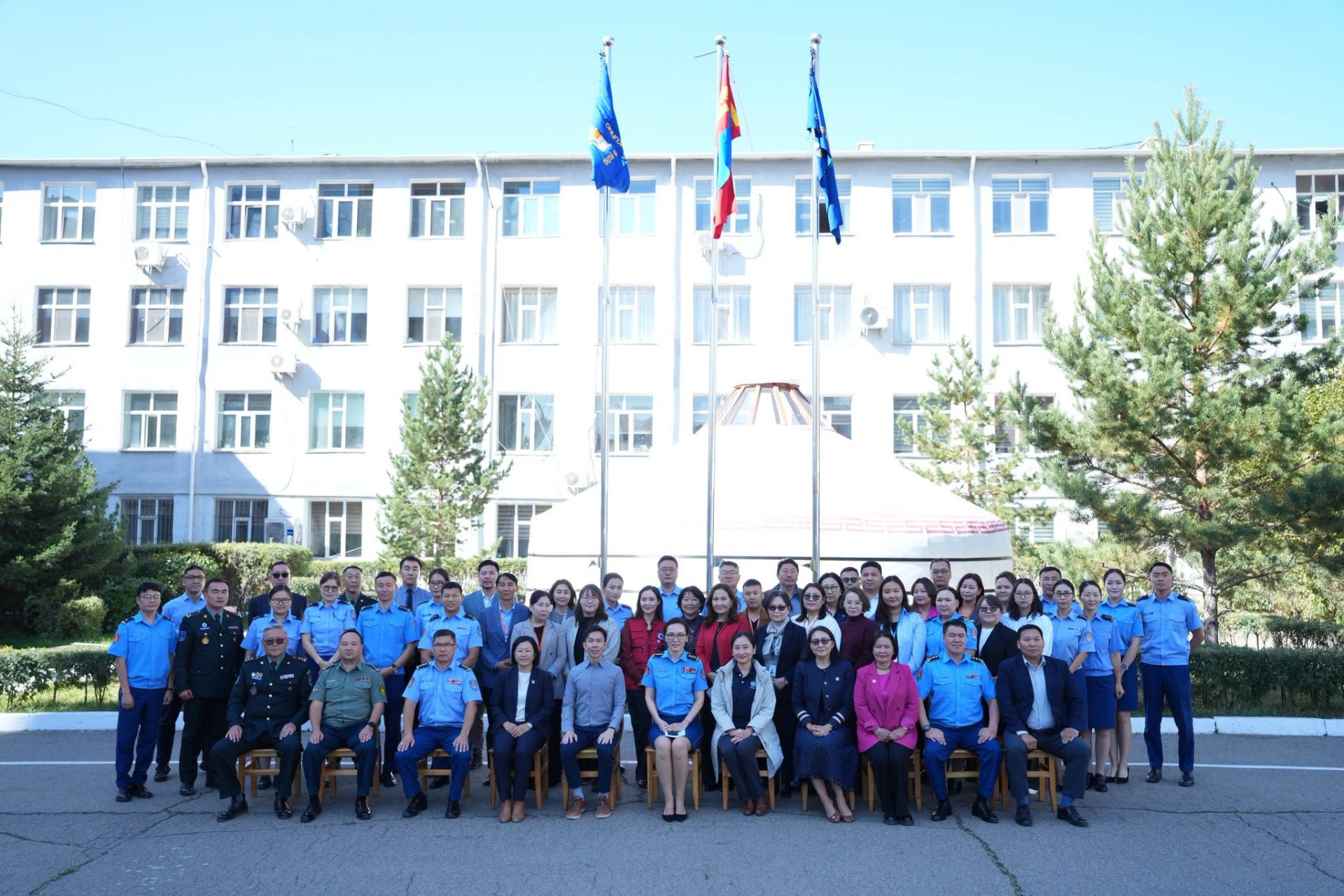
Through a combination of technical presentations, practical exercises and facilitated discussions, participants explored approaches to strengthening coordination between national authorities and international humanitarian actors, as well as mechanisms for effective information-sharing, needs assessment and coordinated response.